
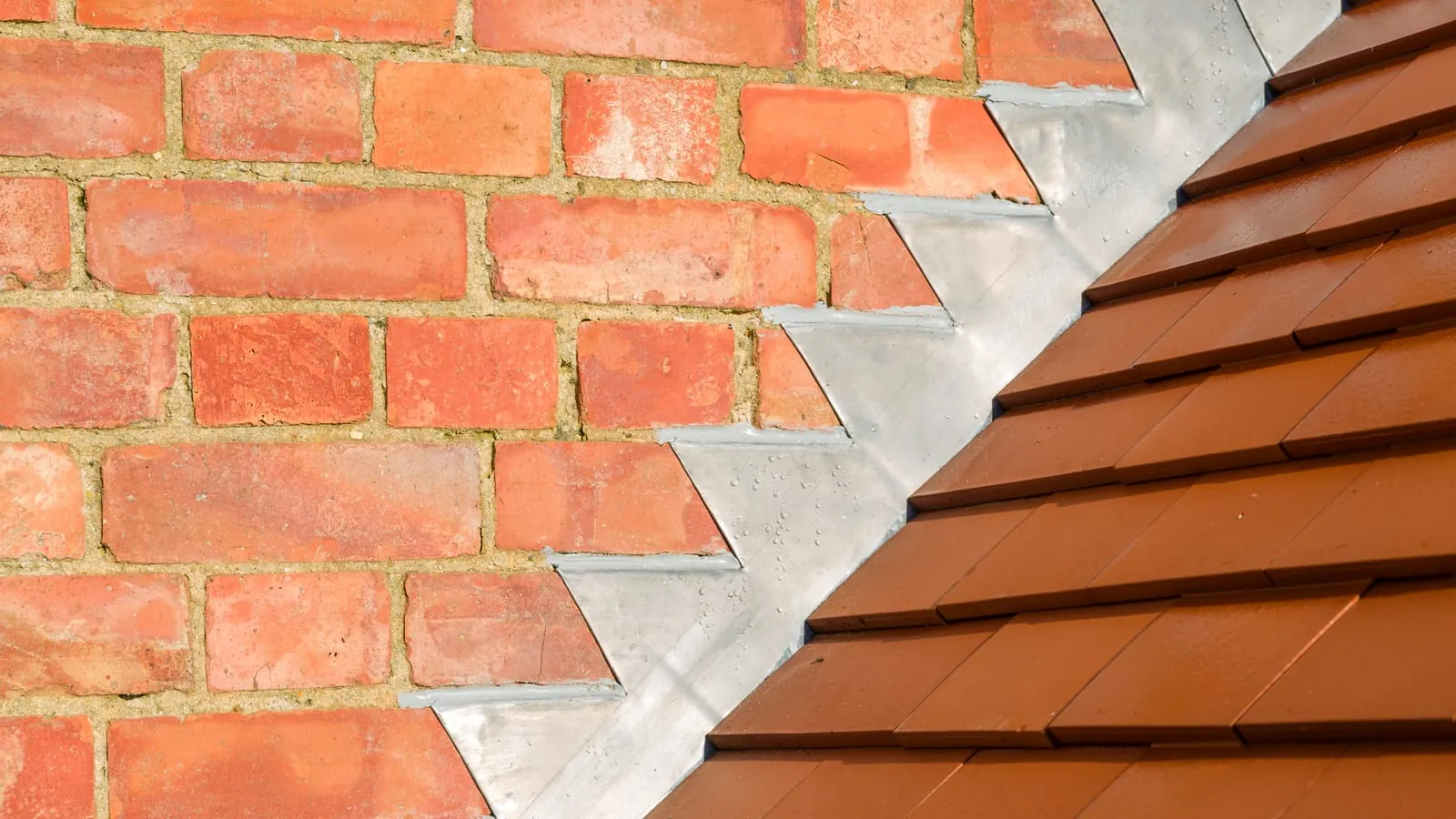
Leadwork
Leadwork in Berkshire, Surrey and West London
Flashings, valleys, soakers and box gutters formed in code lead to the right size and detail.
Get a price for leadwork
Send your details and a short description of the job.
7am to 7pm, seven days
14 towns covered
Emergency call-outs
Priced in writing
The work
Most stubborn leaks turn out to be leadwork
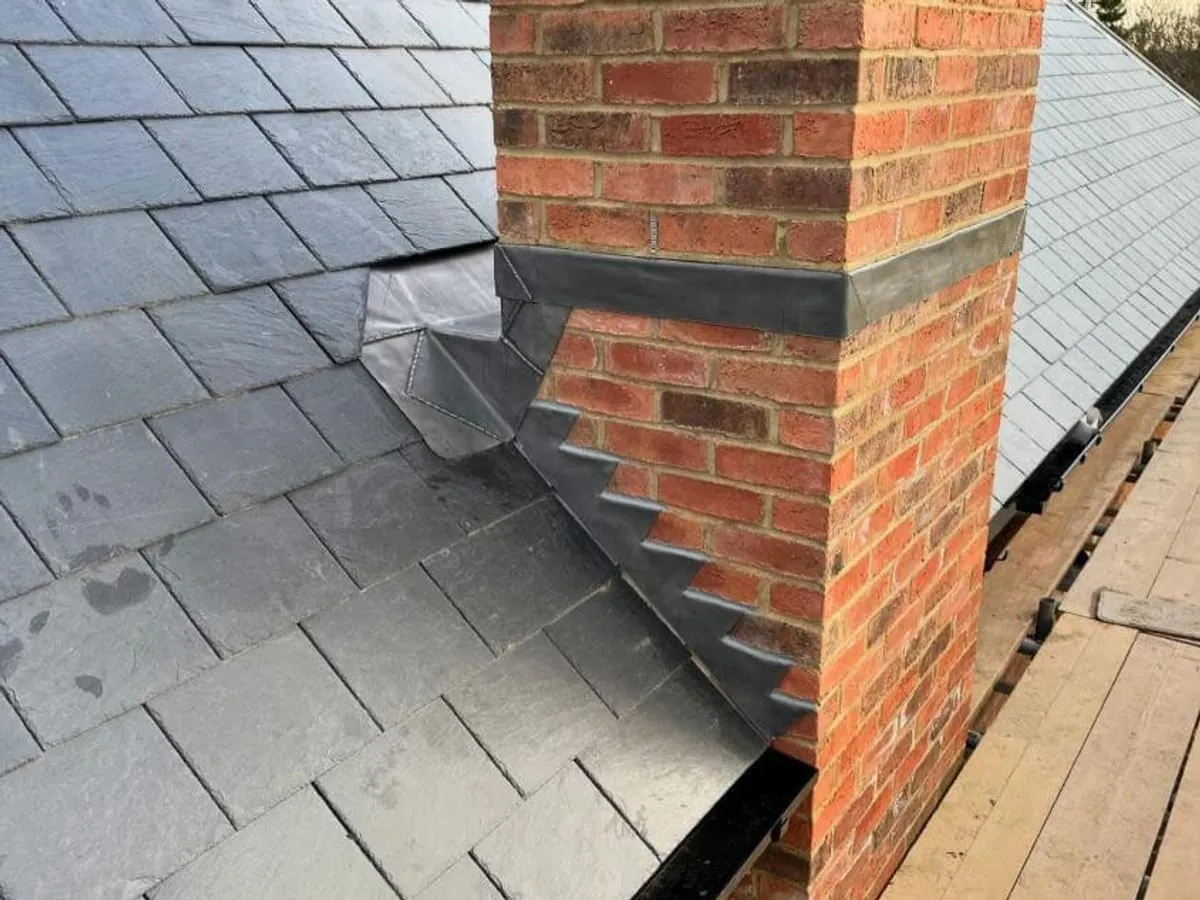
Leadwork is the metal that seals the joints a roof cannot tile over: chimney flashings, soakers and back gutters, valley linings, abutment flashings where a roof meets a wall, dormer cheeks and parapet gutters. Most persistent leaks that survive several repairs turn out to be leadwork that was done wrong.
The common faults are all avoidable: a bay made too long so thermal movement splits it, the wrong code of lead for the exposure, a flashing not chased far enough into the joint, or a bead of sealant run along the top edge instead of the lead being re-dressed. Getting it right first time ends the cycle of repairs that never quite hold.
We use the correct code, keep bays within the recommended lengths, and chase and wedge the flashing properly rather than sticking it on. Sound lead is re-dressed and reused where it can be, and you get an honest view of what needs renewing and what does not.
What you get
What is included
The process
How leadwork normally runs
- 01
Find the actual fault
Split, wrong code, over-long bay or a past mastic repair. Each needs a different answer.
- 02
Specify the code
The lead code and bay lengths set to the exposure and the detail, not to whatever was there before.
- 03
Form and dress
Lead cut, bossed or welded to shape, then dressed into the joint and wedged.
- 04
Point and finish
The chase pointed up and the lead patinated so it weathers evenly.
Pricing
What moves the price
Every roof is different, so the quote follows a look at yours rather than a figure over the phone. The roof, and the loft where the fault is a leak, both get checked before anything is priced.
The quote you get back is itemised: access, materials, labour and clearing the site. Where the job needs scaffold, that goes in the figure from the start, not added later. The points on the right are what make the biggest difference to where the price lands.
What we look at
- The lead code required for the exposure and the detail
- How much lead by area and how complex the shapes are
- Whether existing lead can be re-dressed or has to be renewed
- Access and scaffold, particularly around a chimney
Coverage
Where we carry out leadwork
Across Berkshire, Surrey and West London, including Reading, Wokingham, Bracknell, Maidenhead, Windsor, Staines-upon-Thames, Feltham, Kingston upon Thames, Richmond, Surbiton, Epsom, Walton-on-Thames, Camberley and Twickenham.
- Reading
- Wokingham
- Bracknell
- Maidenhead
- Windsor
- Staines-upon-Thames
- Feltham
- Kingston upon Thames
- Richmond
- Surbiton
- Epsom
- Walton-on-Thames
- Camberley
- Twickenham
Calls answered 7am to 7pm, seven days a week
See every area we coverFAQs
Things people ask about leadwork
Someone sealed my flashing with mastic and it still leaks. Why?
What is a lead code?
Why does new lead look patchy?
Free quote
Get Your Quote
Fill out the form below and we will get back to you quickly.
More services
Related work
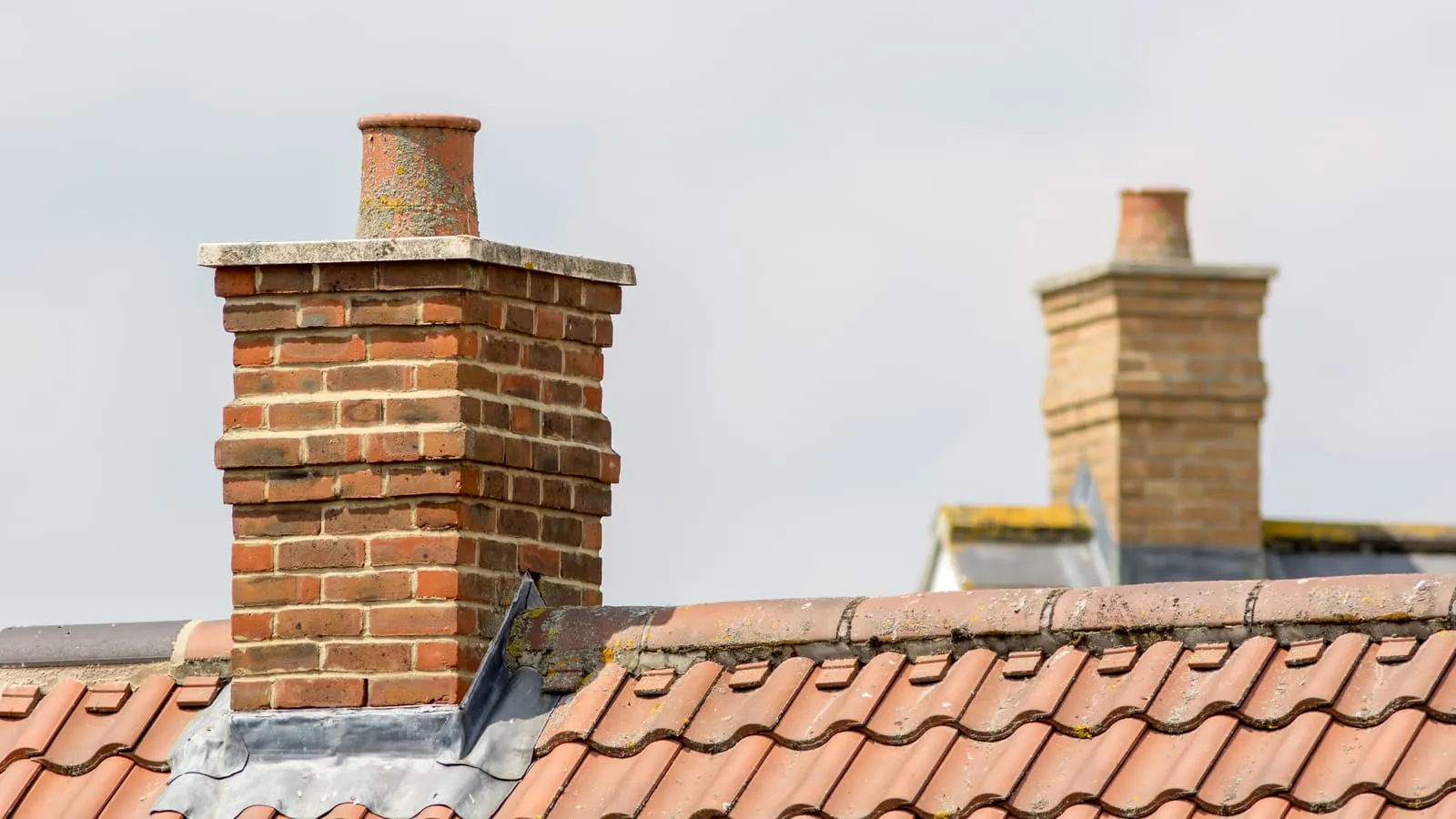
Chimney Repairs
Repointing, flaunching, flashing and rebuilds, plus removal and capping where a stack is no longer used.
Read more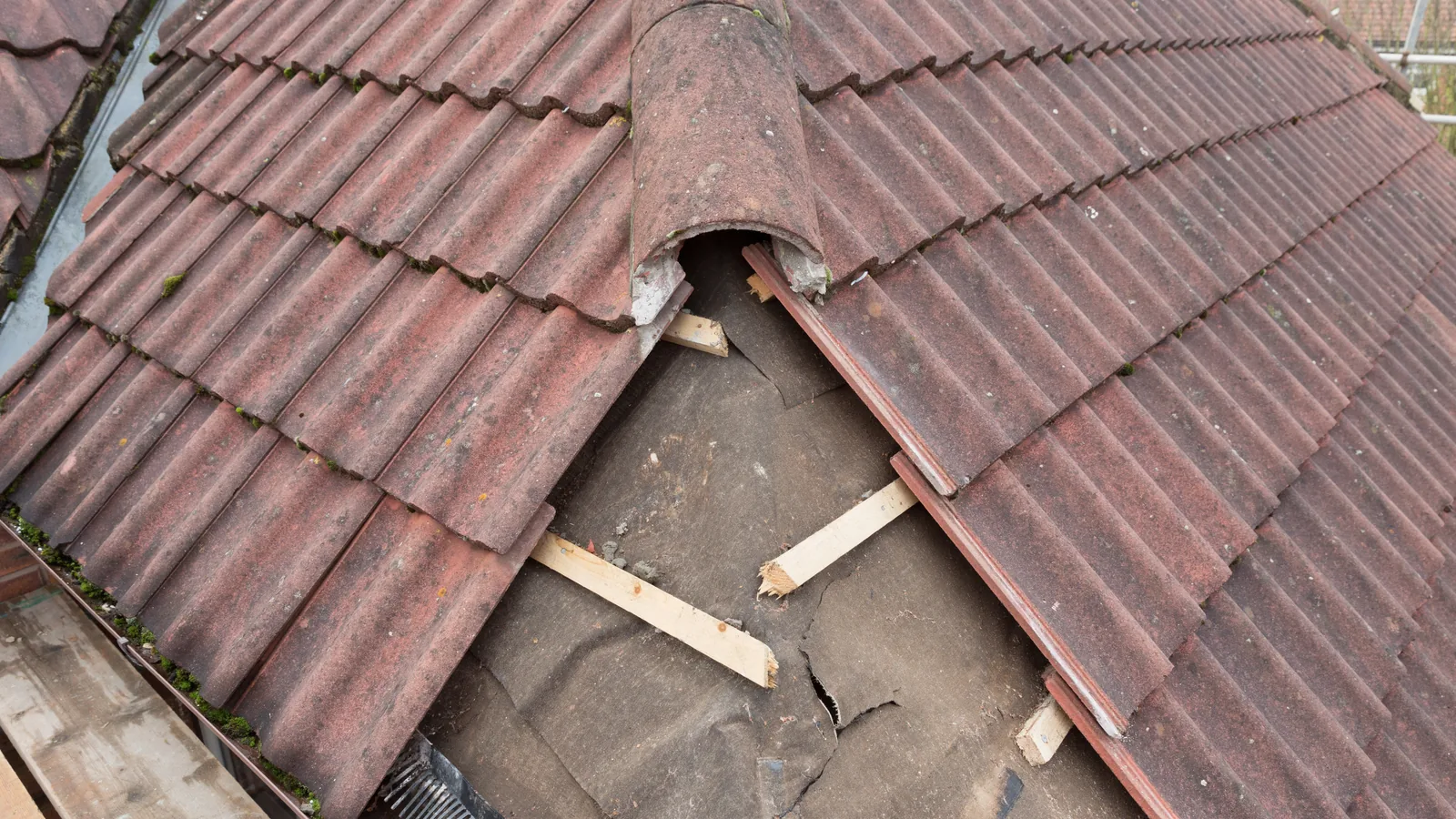
Roof Repairs
Slipped tiles, failed flashing, leaks and storm damage put right without replacing the whole roof.
Read more
Tiled Roofing
Plain tile, interlocking concrete and natural slate roofs laid, repaired and re-bedded.
Read more- All roofing services
Get a price for leadwork
A photo and a postcode is usually enough to get started.